Alex Freeman, the Wide Receiver
On January 26th, 1997, Brett Favre, the quarterback for the Green Bay Packers, spots a run. His wide receiver is steaming along the right-hand touchline; Favre makes the pass. "Antonio Freeman," the commentator cries, as the wide receiver snatches the ball from the air; "they're not gunna catch him!" This was a brave call, because Freeman had a very long way to go, but stride by stride he powered his way beyond the chasing pack and into the endzone. The touchdown set a then-Super Bowl record of 81 yards and kickstarted a famous Packers victory: the franchise's first since the legendary 1960s dynasty of Vince Lombardi.
It was an iconic moment in the All-Pro career of Freeman, who also made the 'miracle catch' in 2000 - one of the most famous catches in NFL history - and is today an alumnus of the storied Green Bay Packers Hall of Fame. Freeman was known for his dynamic athleticism and clutch moments. That Super Bowl catch epitomised both: when he caught the ball, the closest two defenders were almost level; by the time he hit the endzone, both were left floundering in the dust of his long, powerful strides. Almost three decades later, a Freeman again is making an indelible mark on, albeit a different, elite US sport: Antonio's son, Alex.
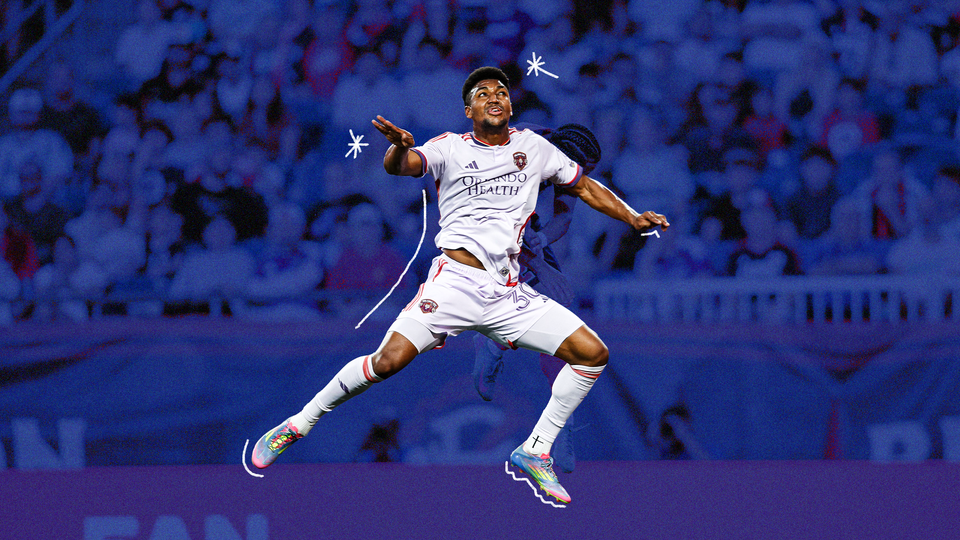
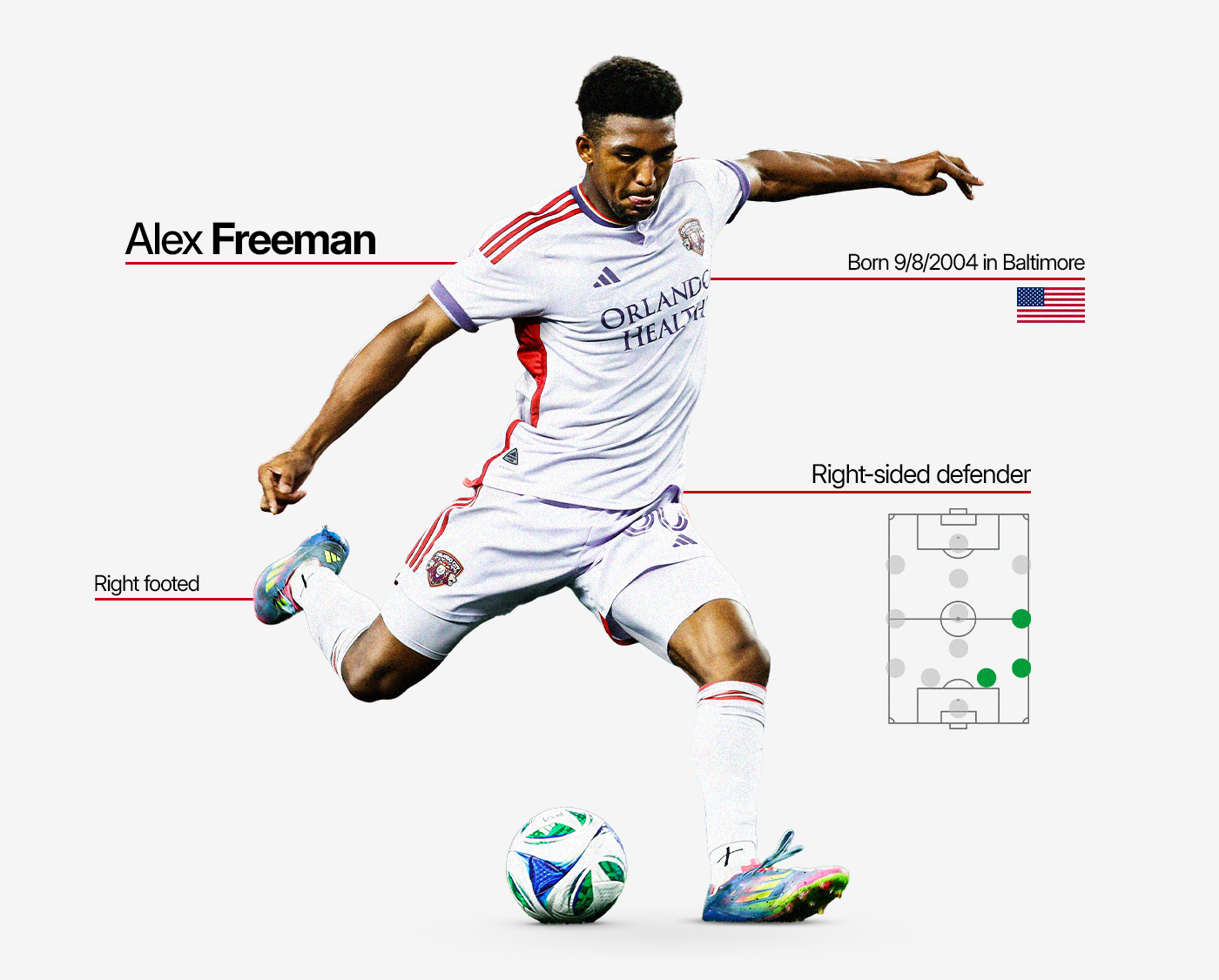
Alexander Freeman was alive to see neither the miracle catch nor his father's Super Bowl win - he's just 21. But last year, at 20, he put together an All-Star season in MLS. A key player for Orlando City from start to finish, Freeman was named in the MLS Team of the Year and became the first defender to be named MLS Young Player of the Year since 2012, all while earning 13 caps for the USMNT in under five months. Prior, Freeman had been a standout in MLS Next Pro - the development league - but had enjoyed very little exposure to first-team football. His breakout was as direct as he is on the pitch.
Such an outstanding season earned a milestone move this winter. In January, Freeman leapt across the Atlantic to join Villarreal for a fee that could rise to as much as €6 million. There he will, as LaLiga is soon to discover, tear up and down the touchline from right-back, like a long-strided wide receiver once did in the nineties.
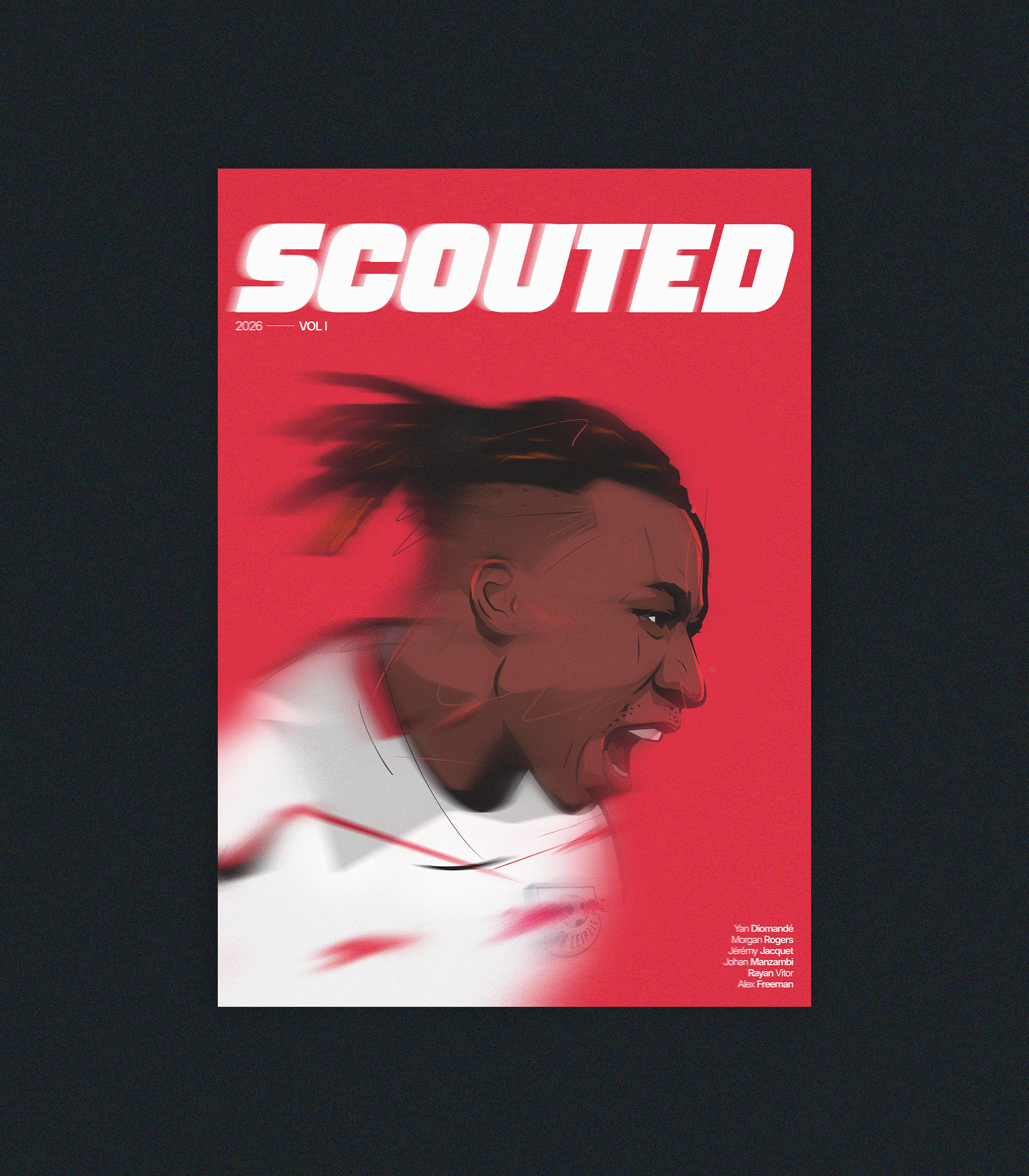
This story was published in Volume I.
Unlock this article, and the full magazine - yours to download and keep, forever - by subscribing.
As a limited-time offer to celebrate the launch of Volume I., you can get your first month for 60% off. Join the club!
Freeman's one and only MLS season is best summarised by its extraordinary statistical profile. He ranked first among defenders born in 2003 or later for NPxG+xAG, Shot Involvements, Shot-Creating Actions and Shot-Creating Actions via Take-Ons per 90. But he wasn't just a prolific attacking weapon. A relatively basic but mightily impressive stat is the best way to showcase his two-way talent: Freeman was the only player - of any age in any position - to attempt 40+ Shots, complete 40+ Key Passes, win 40+ Aerial Duels and make 40+ Tackles. He did all of that from right-back.
His distinguishing feature on the pitch is his game-changing athleticism. 1.88 metres tall and carrying a lean physique, he runs with great speed and power in straight lines, changes direction ably, jumps high, and is extremely difficult to shift from the ball in contact. His father's wide receiving genes are obvious, particularly in his distinctive and destructive ability to run fast and hard over long distances. He is a mismatch in wider areas, where his opponents tend to be smaller and weaker, and are left choking in the dust of his long strides.
Similar also to wide receivers from the gridiron game, Freeman's athleticism manifests in big runs from deep. He can make these runs while carrying, but mostly they come without the ball, when he has a canny knack for finding space and overloading opposition weak points. He loves a cutting movement from outside to inside, spearing toward the seam between centre-back and full-back: it's similar to a 'post route', in which a wide receiver bursts forward then jags on the angle to create separation and space to receive. The intensity of the movement - combined with its timing, and his big-bodied power - was a problem the average MLS defence found very difficult to deal with last year. He'd either suck defenders in and open space for those around him, or simply run onto 'quarterback' passes over the top and power at disorganised defences. These runs became Orlando City's cheat code.
His threat in attacking zones is, again, defined by power. Freeman barges into dangerous areas, strikes the ball extremely hard off either foot, and is capable of generating speed with his headers. Four of his six MLS goals were with his head, maximising mismatches in the box to dunk on opponents, and his brutish ball-striking can smash through stubborn defences and force tricky saves.
When defending, Freeman relishes the body-to-body battle - it's the easiest way he can get the upper hand over smaller opponents. He overwhelms attackers in contact situations, is aggressive when squeezing from behind, and imposes himself to shift opponents around and win the ball back. His defensive ability is sketchier when play is positional, predicated on his awareness more than anything: he's prone to lapses of concentration and losing opponents that make simple movements, even those right under his nose. He has the speed and mobility to make up for those mistakes in MLS, but that safety net will be smaller in Europe.
Freeman is a near-unique footballer, especially from right-back. There are significant similarities to Denzel Dumfries in skillset, where the more traditional responsibilities of the role - in which he lacks - are traded out for a genuinely game-changing ability to be potent and prolific in the opposition half and penalty area. He's the type of player who needs a tailor-made role to extract his best and mitigate his worst. Get him bombing on, driving in to big spaces, hanging off the last line, crashing the back post, rather than holding his position and passing from deep, and he'll deliver.
His development at Villarreal will be interesting to follow as a case in point. His athletic advantages will still be pronounced at the highest level of the European game - but can they make up for his deficiencies in other aspects? His power-first skillset suits a league like the Championship or the Belgian Pro League, where most matches are decided by physical duels and an all-encompassing, end-to-end battle - his bread and butter - rather than considered tactical nous and technical detail. When it comes to the latter, LaLiga takes no prisoners.
Member discussion