
Tiwizi Dreams: the Morocco Story
"It's Diaz…and he's dinked it straight at Mendy! A woeful penalty! Absolutely woeful! A shake of the head from Pape Thiaw…what is he doing? What is Brahim Diaz doing?"
The word 'douar' derives from the Arabic word الدوار [dwa:ʀ]. Translated literally, it means ‘round about.’ Historically speaking a douar was a camp of tents, arranged in a circle 'round about' a central area, and inhabited by the indigenous Amazigh people of North Africa. Douars were designed to be mobile or semi-sedentary, autonomous self-sufficient societies that were not just physical camps but robust economic, social and political units. Stories of douars are scattered through the histories of North Africa and the land which today is called Morocco. Under the Sa'adian dynasty of the mid-to-late 1500s, the expansionist sultans chronicled their frustrations with how impossible rebel tribes were to conquer, organised as they were, in their douars: imperial armies would move into the deserts, and the rebel douars would simply melt away, reforming unbothered somewhere else. The colonial French found the same, centuries later. There was simply nothing to conquer, no capital to seize or power structure to break: douars were built to move and bend under pressure, both physically and socially, the way skyscrapers are built to sway gently in the wind. Anything firmer would snap.
Today, the same word is given to rural clusters of habitation throughout Morocco. Despite their significance as defenders of natural heritage and preservers of ancient culture, douars still exist outside of any formal administrative framework and have no official status. And when disaster strikes, the douars bend, but don't break.
This story was published in Volume I.
Unlock this article, and the full magazine - yours to download and keep, forever - by subscribing.
As a limited-time offer to celebrate the launch of Volume I., you can get your first month for 60% off. Join the club!
In 2023, the 6.8 magnitude Marrakesh-Safi earthquake devastated Morocco. Indigenous Amazigh douars populated by houses of ancient, watered-soil bricks were flattened. Brahim El Guabli, a Black, Amazigh Indigenous scholar, predicted the mass destruction of these adobe houses would threaten an architectural style born from centuries of local wisdom with extinction. Such disaster also highlighted the state's negligence. The Moroccan government was highly selective in responding to aid, only allowing support from four countries: Spain, Qatar, the United Kingdom and the United Arab Emirates; initially, no international aid was allowed to enter the country at all. Even then, as a result of the "territorial misdistribution of infrastructure" El Guabli highlights, the High Atlas communities marginalised in the mountains were inaccessible through the lack of paved roads. Any resources or systems of infrastructure were self-developed and self-sustained by the community.
Ella Williams, a PhD student in Middle Eastern Studies at Oxford University, lived in the deeply-affected Al Haouz region at the time. Recalling her experience, Williams highlighted "the revival of the traditional Amazigh tiwizi system of communal labour" in the aftermath. Their physical homes may have been crushed, but their communal spirit was not. Without international aid, tiwizi was the means by which boulders were removed, roads cleared, and people fed. Tiwizi means "together" or "solidarity" in the tamazigh language, and has powered douars and rural communities for centuries. Tiwizi is "voluntary work provided by a group of villagers to help a member of the village accomplish a task he or she cannot do alone," according to Williams. It's the decentralised, indomitable communal spirit that has allowed douars to confound disaster, sultans and colonialism, across the many eras they've survived. The motto of the Amazigh Cultural Movement is Al-waḥda wa-al-tanawwu: 'unity in diversity'.
"Under these lights history sharpens its pen. The two highest-ranked teams on the continent, summoned here for their first ever meeting, and it happens at this tournament. They could not have chosen a grander stage than this."
PART I - THE PAST
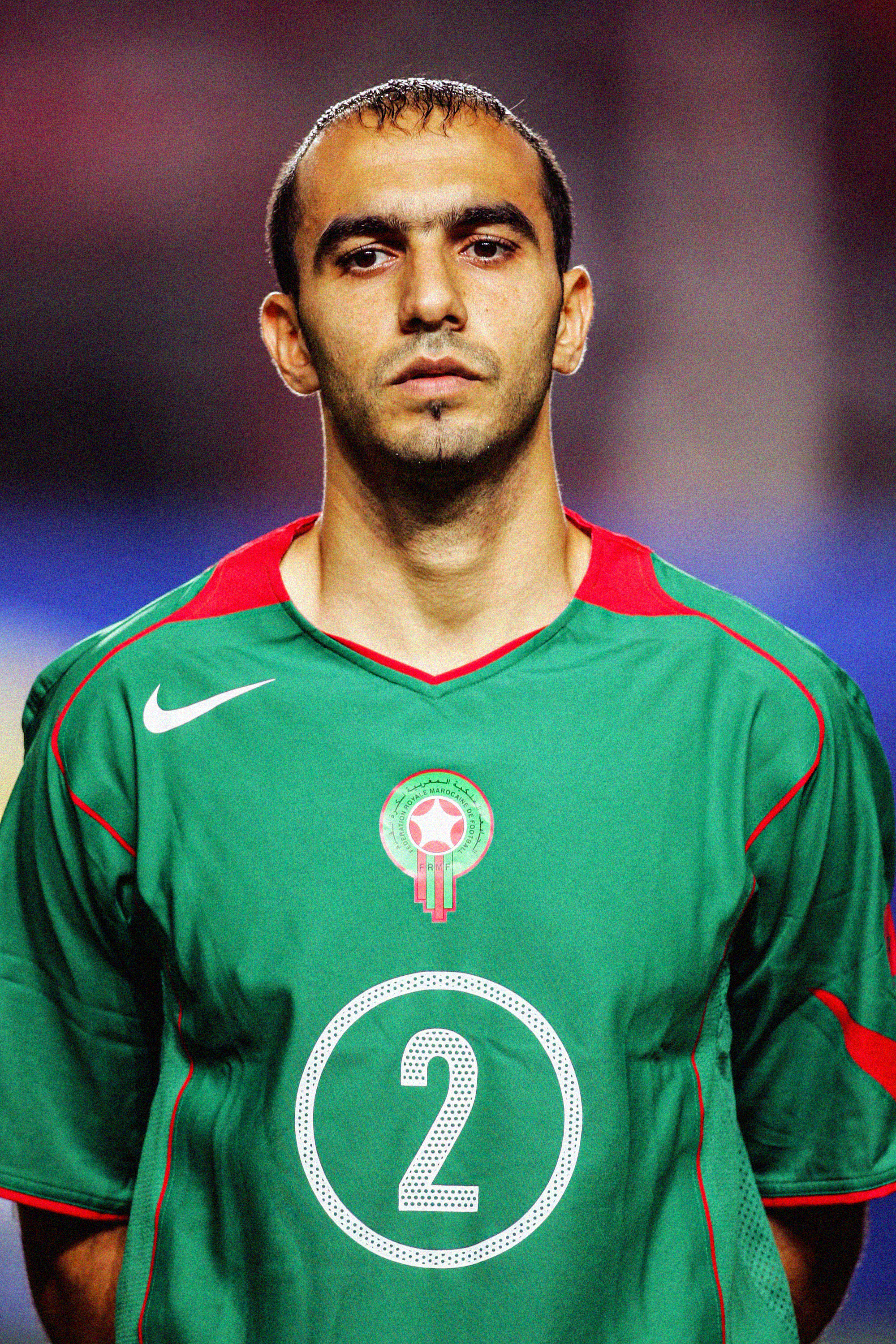
On February 15th, 2004, the Moroccan National Team lined up for the African Cup of Nations Final, in which they faced the hosts: north African rivals and distinct underdogs, Tunisia. At right-back, Morocco fielded a 28-year-old AC Ajaccio defender called Walid Regragui. Within the first five minutes, a deep cross caught Regragui between a winger at the far post and the flying, Brazilian-born Tunisia striker Francileudo Santos, who powered his header into the bottom corner. Morocco lost 2-1, Tunisia claimed their first-and-only AFCON title, and Regragui went home with silver around his neck.
Morocco's defeat was unexpected, even though their squad was young. Goalkeeper Khalid Fouhami and captain Noureddine Naybet were the only members to have cracked 30 and, at 28, Regragui was the third-oldest. The performances of Youssef Hadji (24), Youssef Mokhtari (23) and a fresh-faced, pre-mulleted-mohawk Marouane Chamakh (20) had turned heads in Tunisia; the young trio scored eight goals between them. Despite the surprise defeat, the nation went home with hope the next tournament would end a 30-year wait for AFCON triumph. When they next reached a final, that wait had expanded to half a century.
Morocco peaked in the FIFA World Rankings in 1988, when they reached 13th. Following defeat to Tunisia, they fell to 33rd. The decline became a freefall. The following two AFCON tournaments saw back-to-back group stage exits in 2006 and 2008. The former was Regragui’s final tournament as a player.
In the middle of his first five-year spell as manager, from 1995 to 2000, the late Henri Michel led Morocco at the 1998 World Cup - they would have to wait until 2018 to play in another - and took charge of 53 matches total. After his rehiring in September 2007, he lasted just nine games and was sacked in January 2008 after failing to guide the team out of another AFCON group stage. In an explosive post-tournament interview, Michel lamented the quality of individuals in the Moroccan national team, or rather the inability to produce them. "Moroccan clubs have to agree that the priority is training," he said. "We have to have players who can measure up to foreign players."
The first problem was Morocco's approach to their diasporic talent pool. The 2008 Africa Cup of Nations squad included six players born outside of Morocco, all of whom were born in France. But during this period, the Moroccan Football Federation would approach dual nationals in their mid-twenties; at that age some had already played for their country of birth and not only needed to be convinced to play for Morocco, but were subject to a gruelling bureaucratic process to even be eligible. And those that hadn't were often uncapped on account of their quality. Regragui himself made his debut for Morocco at 26 years old in the midst of a season that would end in relegation to Ligue 2 for AC Ajaccio; his club career was punctuated by a string of free transfers. Accurately or not, Morocco developed a reputation as a second choice for the high-calibre diaspora, a chance to play international football at a less competitive level than with their European homes.
The second was the general lack of professionalisation in Morocco. The top-flight league, for example, did not become fully professional until 2011; there was a dearth of elite coaches trained at home and very few high-level coaches operating within the Moroccan game at all. Of the four Moroccan National Team coaches to have reached a FIFA World Cup tournament by this time, including Blagoja Vidinić, Mehdi Faria and Henri Michel, only native-born Abdellah Ajri Blinda had any familial tie to the country. And with no professional top-flight league, hopes for the youth and women's teams were extremely slim. The Atlas Cubs reached the U-20 World Cup semi-finals in 2005 but proceeded that with a 20-year absence. The Atlas Lionesses, who played their first match in 1998, failed to qualify for the Women's Africa Cup of Nations for seven consecutive tournaments between 2006 and 2018.
At the end of 2010, the Men's team failed to qualify for the Africa Cup of Nations for the first time in 14 years. Morocco plummeted to their nadir: by the end of the year the Atlas Lions ranked 79th in the world and fell as low as 95th in that cycle. It would take something exceptional to kickstart a regeneration.
"Senegal have the early corner…deep delivery…BACK POST!!!…oh, and not too far away! The question is: can anyone score against Morocco?"
2007-2014: The foundations
In 2007, in the middle of those consecutive AFCON group stage failures, King Mohammed VI sanctioned and part-funded the construction of the Mohammed VI Football Academy (AMF). The Academy officially opened its doors in 2010, just as the Moroccan national team hit rock bottom.
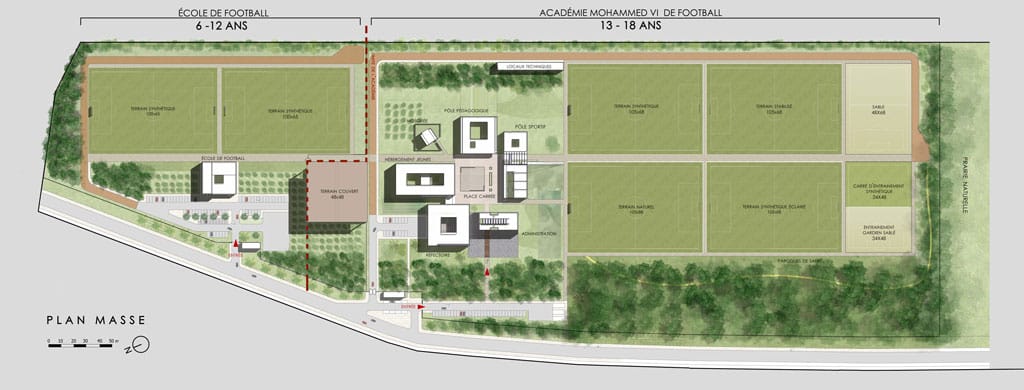
Rabat-based agency Groupe 3 Architectes were tasked with designing and constructing the academy in Sala Al Jadida, located on the outskirts of Morocco's capital. In the heart of the €13 million, 2,500,000 m2 complex they built is a village square. Encircling this central communal area are five blocks: an administration block, an educational block, including ten 10-student classrooms, a lodging block to house up to 80 players, and a sports block, which includes a gym, multiple changing rooms, and a health centre equipped with physiotherapy and spa therapy facilities. There's a sixth, too - a mosque. Each block has its own central, landscaped patio area, each a little contained micro-universe in its own right that functions as an integral part of a larger whole; to deliver the regeneration of Moroccan football, Groupe 3 Architectes had built a douar. By 2013, it was one of the top ten training centres globally.
From its inception to 2014, the Mohamed VI Football Academy was directed by a man named Nasser Larguet, an ex-director of football and coach from France. Larguet's principal objective was to rediscover Morocco's ability to develop players, and to export the systems built to the rest of the country. Larguet began by placing people at the heart of everything. "On the management side, the difference was that all the human resources—from the teachers, coaches, and groundskeepers to the laundry staff, cooks, security personnel, and supervisors—were all on the same page," Larguet explained to RMC in 2025. "All these people shared a single focus: supporting the young people, with everyone on equal footing. The child is the academy's central focus, which isn't often the case elsewhere."
After a national scouting mission watched 15,000 children nationwide, 37 from the ages of 11-13 were selected for the first intake. Once the selection was complete, the development phase split into three tiers. The Foundation Phase focused on physical coordination and game understanding, for ages 12 to 14. The Specialization Phase, ages 14 to 16, prioritised tactical awareness and competitive exposure. Finally, the Professional Phase was designed to fully immerse the players in professional rhythm: championing nutrition, strength and match performance. Today, the AMF develops 80 players aged 12-18 concurrently using this program - but a nationwide scouting network identifies potential inductees as young as six years old.
Built in the shape and style of a douar, the Mohammed VI Academy would quickly discover their intangible spirit.
"Hakimi has found El Khannouss…whips in a cross…EL KAABI! Big chance, but another one goes begging. That's the opportunity El Kaabi's been waiting for all evening…just opened his ankle out that bit too much."
2014-2018: The expansion
In 2014, Fouzi Lekjaa, an ex-financial inspector famous for his revolutionary presidency of Moroccan club RS Berkane, was appointed President of the Moroccan Football Federation (FRMF). He immediately hired Larguet as the Technical Director of Morocco. Together, they accelerated the professionalisation of football across the country. Morocco's top flight had become professional in 2011, but it was not until Lekjaa established the Ligue Nationale de Football Professionnel (LNFP) in 2015, an arm of the FRMF, to organise the league, that the standards set by the AMF were matched by Moroccan clubs. A network of academies was set up across the country to scout and develop talent from all corners from the age of six. Meanwhile, the national program for developing that talent has since been adopted by 14 Botola Pro clubs and eight federal structures linked to the AMF. All share the aim of preparing and training children from 6-12 years old to a level befitting the national Academy, with the most exciting prospects given access to free equipment to accommodate their growth. "The regional academies are the same as the national academy, just smaller," said Lekjaa. "The best players from the regions go to the centre of excellence, which has coaching and medical staff who work with young players spotted in grassroots football and take them up to the next level. That’s the way our development cycle is designed. It starts with talent detection at grassroots level, with that talent then channelling into the clubs, the regional academy and on to the national centre of excellence." Around the central hub of the douar, satellite tents were erected.
As the FRMF ensured the best possible facilities were provided for the next generation of players across the country, the holistic advancement and development of Moroccan football birthed a great coach to lead it. The CAF Pro License was introduced in partnership with the FRMF, with Morocco chosen as the country to launch it. As Lekjaa put it, that decision resulted "from the Kingdom’s commitment to the development of football at the local and continental levels." From the start of the 2026/27 season, coaches in CAF competitions, including the Africa Cup of Nations and Champions League, must hold a CAF Pro or A License. Of the first 23 coaches to obtain the CAF Pro License Diploma from the inaugural course in June 2022, 20 were Moroccan. Among them was Walid Regragui.
Regragui began his coaching career as assistant manager to the national team in 2012. Two years later, he left to take on his first head coach role at Fath Union Sport, reaching back-to-back finals of the Moroccan Throne Cup, including a 2013/14 triumph, before winning the league in 2015/16, the fifth season of the professional Botola Pro era. He then briefly took charge of Qatar Stars League side Al-Duhail after Rui Fária had resigned, winning the league in 2019/20. Regragui's final job before being appointed as Morocco manager was a single but extremely successful season in charge of Wydad AC. In 2021/22, Regragui lifted his second Botola Pro title, his first-ever CAF Champions League title and was a penalty shootout defeat away from securing a treble, losing 2-3 to Renaissance de Berkane in the final of the Moroccan Throne Cup.
Regragui was the dream appointment for Morocco as the 2022 World Cup approached. He was seen as a champion of the transformation FRMF had made, a man who embodied the values of hard work and sacrifice they were so keen to instil in their players. Regragui's father was a builder and he grew up on a council estate in the suburbs south of Paris, but studied economics at university. The same ethics powered his football career. Regragui worked his way from the fifth tier of French football all the way to Ligue 1 and, of course, represented Morocco on the international stage. Later, his development through the newly-available licenses meant he was a direct product of this new professional environment. The fact these qualifications led to repeated success in Africa meant Regragui was essentially a proof of concept; hard evidence the continent could produce elite coaches of their own.
His success was stark. In 44 appearances for his country as a player, Regragui won 21 games - a 47.7% win rate. After 50 matches on the touchline, it was 70%. Those 35 wins from 50 matches in charge also included a world-record winning streak of 19 games. In 1994, former football and handball player Abdellah El Ajri, the first Moroccan to lead the country to the World Cup, failed to win a single point against Saudi Arabia, Belgium and the Netherlands. In 2022, Regragui made history as the first-ever African manager to reach the quarter-final stage before Morocco became the first Arab country and the first African country to reach a World Cup semi-final.
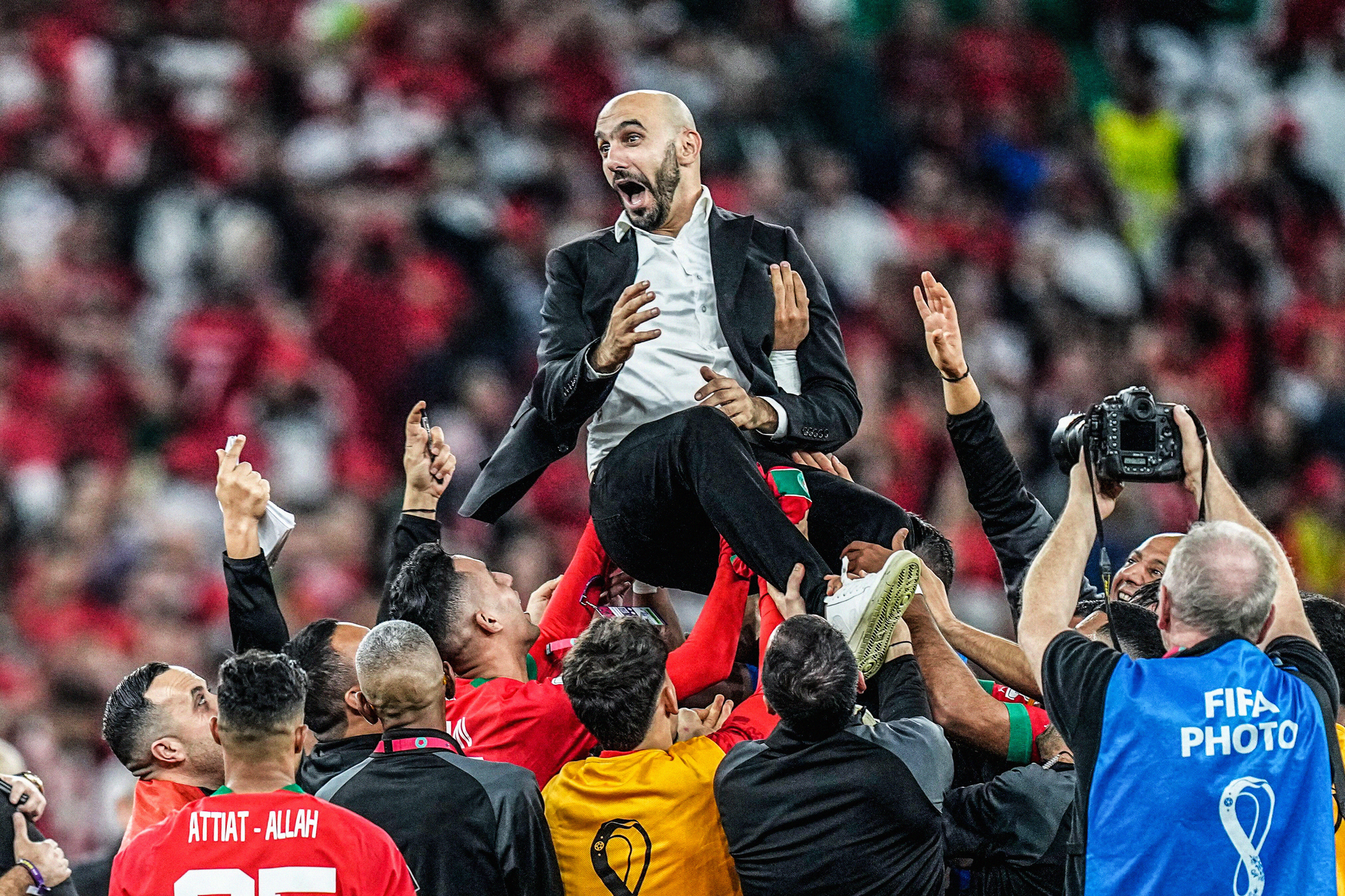
While success on the pitch was immediate, Regragui's ethereal influence off it was crucial in building a new sense of Moroccan unity. Upon replacing Bosnian coach Vahid Halilhodzic, Regragui convinced Hakim Ziyech to reverse his decision to retire from international football and reinstated Noussair Mazraoui; both players had fallen out with the previous manager and their exclusions were influential in his sacking. A French-born manager inspiring a Dutch-born duo to represent Morocco on the global stage was a signal the country's approach to diasporic pan-nationalism had changed; unity in diversity was beginning to take root.
"Over comes the corner from Malick Diouf and there's a free header for SECK!! Off the post AND NOW IN! Oh, but it will not count. Referee blew early, very early, as this ball hits the post…Seck on Hakimi…oh, that's nothing. Very soft."
Activating the diaspora
A complete overhaul of infrastructure, player development and coaching is integral to Morocco's story, but the reform of scouting abroad was just as significant. A concept not usually associated with international football, completely revamping Morocco's approach to recruitment ensured the national pool was enriched by their diverse diaspora. But the FRMF were wary of balance. The Mohammed VI Football Academy had proven a success, and graduates were already making appearances for the national team across all age groups; it was crucial the diaspora did not cannibalise this development. And so the reform was two-fold.
First, dual national players would be scouted much earlier. Reaching them before they represented their country of birth was ideal, convincing them to join Moroccan academies even better; early adoption of the project's central values was key. As a result, scouting and recruitment became aggressive. Morocco operated like a club. Larguet's successor, Osian Roberts, explained the set-up when speaking to Ed Aarons for The Guardian in 2022: “We had full-time scouts in Holland, Germany, France, Spain and Scandinavia that are monitoring these players on a regular basis. There was a database for all of those who were eligible for Morocco in all those countries ... it was necessary given the amount of players living overseas. That department has been extremely important.” The new remit was again based on the model of the Mohammed VI Football Academy, with dual nationals now scouted intensely from the age of 12.
The second part of the reform was a quality check. Larguet insisted that "only dual nationals who were significantly better than players trained in Morocco would be allowed to wear the national team jersey. If they were at the same level, there was no point in even calling them up." The final judgement was often made during training camps in which players trained in Morocco would play alongside dual nationals against clubs and national teams for a newly-created Under-15 Morocco team; Larguet leveraged his knowledge and contacts to organise such camps in France.
One such camp starred a young defender called Achraf Hakimi. In a perfect inversion of the previous dynamic, Larguet would later insist Spain, Hakimi's country of birth, approached Hakimi after he honoured a call-up to represent Morocco's Under-16s. Like Regragui, Hakimi has become a symbol of the project. Born in Madrid to native Moroccan parents, Hakimi has represented the Atlas Lions since U-20 level.
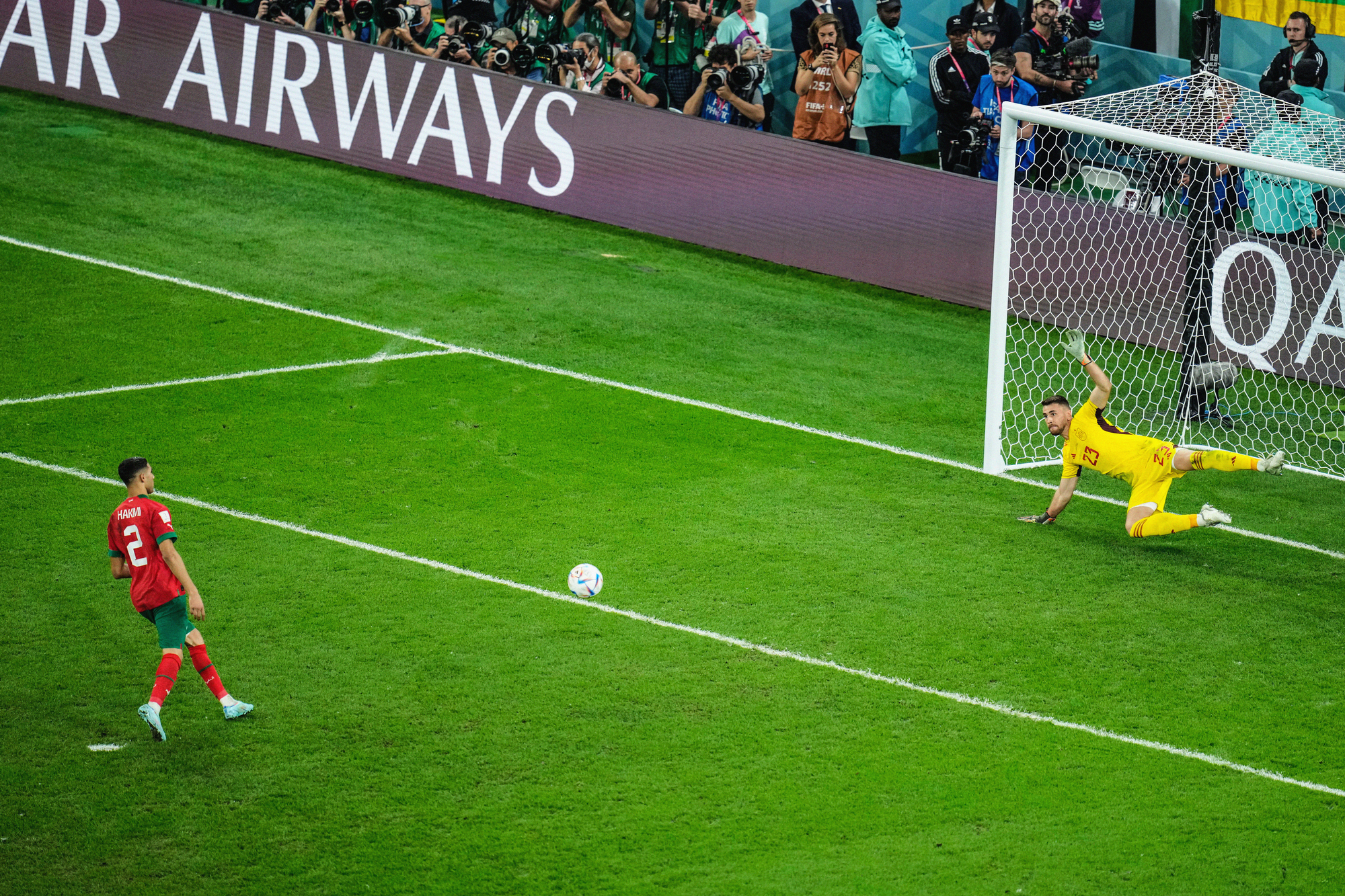
Hakimi is the reigning CAF Player of the Year, the sixth best men's player in the world according to the Ballon d'Or rankings, and has featured in the FIFPro World 11. And of course he starred in the defining campaign of this regenerated, douar-inspired Moroccan group, where he led his team as captain: the 2025 African Cup of Nations.
"Brahim Diaz is absolutely raging. He obviously felt he was hauled down inside the penalty area…to say this would be controversial would be a massive understatement. PENALTY! Dear, dear, dear. With only seconds to go! And Pape Thiaw is…he's taking his players off the pitch? You can't do that. You cannot do that. This is extraordinary. I've never seen anything quite like this."
The 2025 Africa Cup of Nations squad was cosmopolitan. The manager was French-born and the captain born in Spain. So was their top scorer. Their heroic goalkeeper was born in Canada. In Regragui's 2004 squad, the 22-man group contained five foreign-born players, all from France. Half of the 2025 squad were born outside of Morocco: five from Spain, three from the Netherlands, three from France, two from Belgium and one from Canada. Following the historic FIFA World Cup run in 2022, Regragui captured the unifying pan-nationalist sentiment: "For this I have fought […] Before this World Cup, we had a lot of problems about the guys born in Europe and guys not born in Morocco [...] Today, we have shown that every Moroccan is Moroccan." Unity only sharpens heartbreak. On January 18th, 2025, Morocco lost 1-0 to Senegal in history's most controversial African Cup of Nations Final. The fallout is yet to settle.
On reflection, Achraf Hakimi voiced the themes of Morocco's revolution. "I want to thank Walid Regragui and his entire staff from the bottom of my heart," he said in a statement on Instagram, "but above all, my teammates. For the work, the commitment, and the immense sacrifice we accomplished together during this Africa Cup of Nations. They were 35 days of shared life, constant effort, discipline, and unity. A group that showed the world that Morocco doesn’t just compete: Morocco inspires."
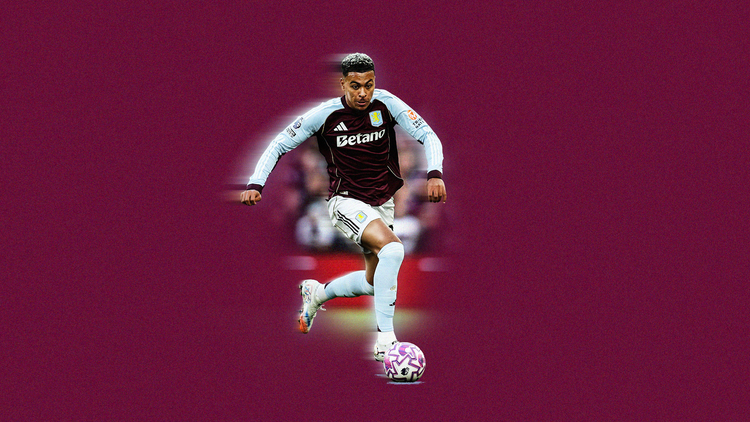
The 'villain' of the piece was, like Hakimi, born in Spain. Unlike Hakimi, his naturalisation was more old-school. Morocco had courted Brahim Diaz for years before his international switch was officially confirmed; he'd even rejected their advances while at Manchester City. He was 24 years old when he eventually made his debut - Hakimi was 17. Before that, Brahim had been capped, and scored, for La Roja's senior national team, having represented them at Under-17, Under-19 and Under-21 level. Still, his first two years as an Atlas Lion were sensational. He became a national icon. As he lined up to make his first-ever AFCON appearance, he greeted the Crown Prince, Moulay El Hassan, as the rest of the team had: with a handshake and a kiss on the shoulder, a subtle gesture soundtracked to rapturous home-crowd applause. In traditional settings, placing a hand on your heart following a handshake is a signal of warmth, reverence and respect; whatever his past, Brahim was Moroccan. And then, 28 days later, he chose to panenka a penalty into the waiting arms of Edouard Mendy.
Brahim stumbled through the eight minutes of extra time he managed after the penalty miss in a fugue state, his face a stone-mask of shock. When Gueye smashed home the winner the cameras found Brahim, blinking, head down in the African rain. Upon receiving the Golden Boot - the first Moroccan to do so outright - he was booed, loudly. Had he scored that penalty, he would have become Morocco's all-time top-scorer at the Africa Cup of Nations. Instead he was cast a pantomime villain.
When disaster strikes, the douars bend, but don't break. They are built to survive, to channel tiwizi into the communal energy necessary to reject adversity and reform through pain. "I will keep going forward," Brahim said, "until one day I can give you all this love back and become a source of pride for my Moroccan people."
"It's all over. Senegal are champions of Africa. Morocco are crushed."
PART II - THE FUTURE
During their historic run at the 2022 World Cup, Morocco kept the most clean sheets at the tournament. During the 2025 Africa Cup of Nations, no team kept more clean sheets or conceded fewer goals. But they also platformed Brahim Diaz, a skillful attacker, to claim the Golden Boot. This marriage of cohesion and individualism is the heart of Morocco's new identity. Although the current senior squad have made history, it is the Under-20 squad that represent the pinnacle of that identity, and Morocco's 20-year transformation.
On 19 October 2025, 43,253 fans were present in Chile's Estadio Nacional Julio Martínez Prádanos to witness Morocco lift their first-ever FIFA World Cup trophy, of any age, men or women. To reach the final, the Atlas Cubs, Morocco's U-20 side, topped a group including Brazil, Spain and Mexico, before wins against South Korea and the USA in the knockout stages were followed by a penalty shootout victory against France in the semi-final. Then, in what was their first-ever final at this level, they faced the record six-time winners of the competition. Argentina had won all six previous games and had not conceded a goal in the previous three knockout matches. Morocco beat them 2-0.
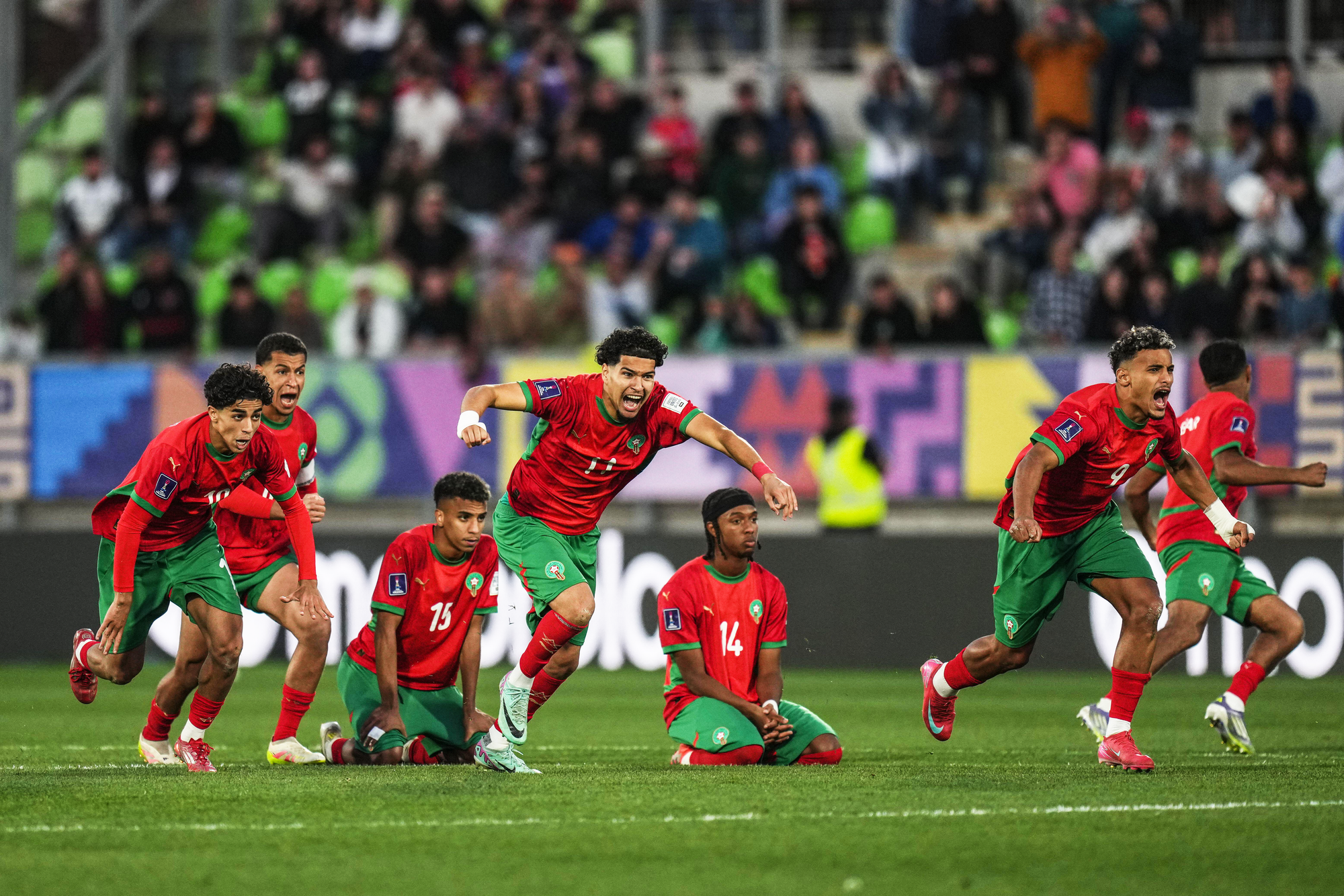
12 of that vaunted playing group were born in Morocco. Eight were still based in their home country, a long-awaited answer to Henri Michel's plea. The remaining ten spots in the squad went to the diaspora: five French-born, three Belgian-born, one born in the Netherlands and another in Italy. Separating this crop of dual nations from previous golden generations was that their recruitment, development and coaching mirrored their Moroccan-born teammates. When a previous group reached the U-20 World Cup semi-finals in 2005, seven of the 21-man squad were Moroccan diaspora, with former Liverpool winger Nabil El Zhar one of three French-born players. In an interview with FIFA, Fathi Jamal - head coach of that 2005 team - highlighted the difference to the 2025 champions: "maturity and organisation," he said; "The 2005 generation were very talented, but they lacked sufficient guidance and support. Some players struggled with media pressure or chose unsuitable professional paths. This Chile 2025 team, on the other hand, come from a better environment in terms of preparation and training, with strong academies and clear development programmes, as well as a capable technical set-up with continuous support from coaches and administrators."
The composition of profiles in the U-20 squad is a fascinating indicator of the success of Morocco's approach to scouting and recruitment. In winning the Under-20 World Cup, Mohamed Ouahbi - born in Belgium into an indigenous Moroccan Amazigh family - became the first-ever 'foreign' coach to lift the trophy. Unlike Regragui, he was not a professional player and therefore never cemented his Moroccan nationality by representing the country. Instead, he developed his coaching expertise in Europe, specialising as a youth coach during a 17-year career at Anderlecht, during which he obtained the UEFA Pro License. In 2022, Fouzi Lekjaa appointed him as Morocco's Under-20 coach, and the rest is history.
During the victorious World Cup, Ouahbi's side displayed all the hallmarks of the AMF brand. As a team, they were well-organised, compact when necessary, and ran hard in and out of possession. But striking was not just the intangibles of the collective, the AMF DNA; the genius of the squad building stood as the biggest testament to Morocco's transformation into a genuine global force. Just like the construction of the Mohammed VI Football Academy in 2010, the Under-20 World Cup squad was made up of units that served an independent function but operated as part of a whole; the squad itself reflected the form of a douar.
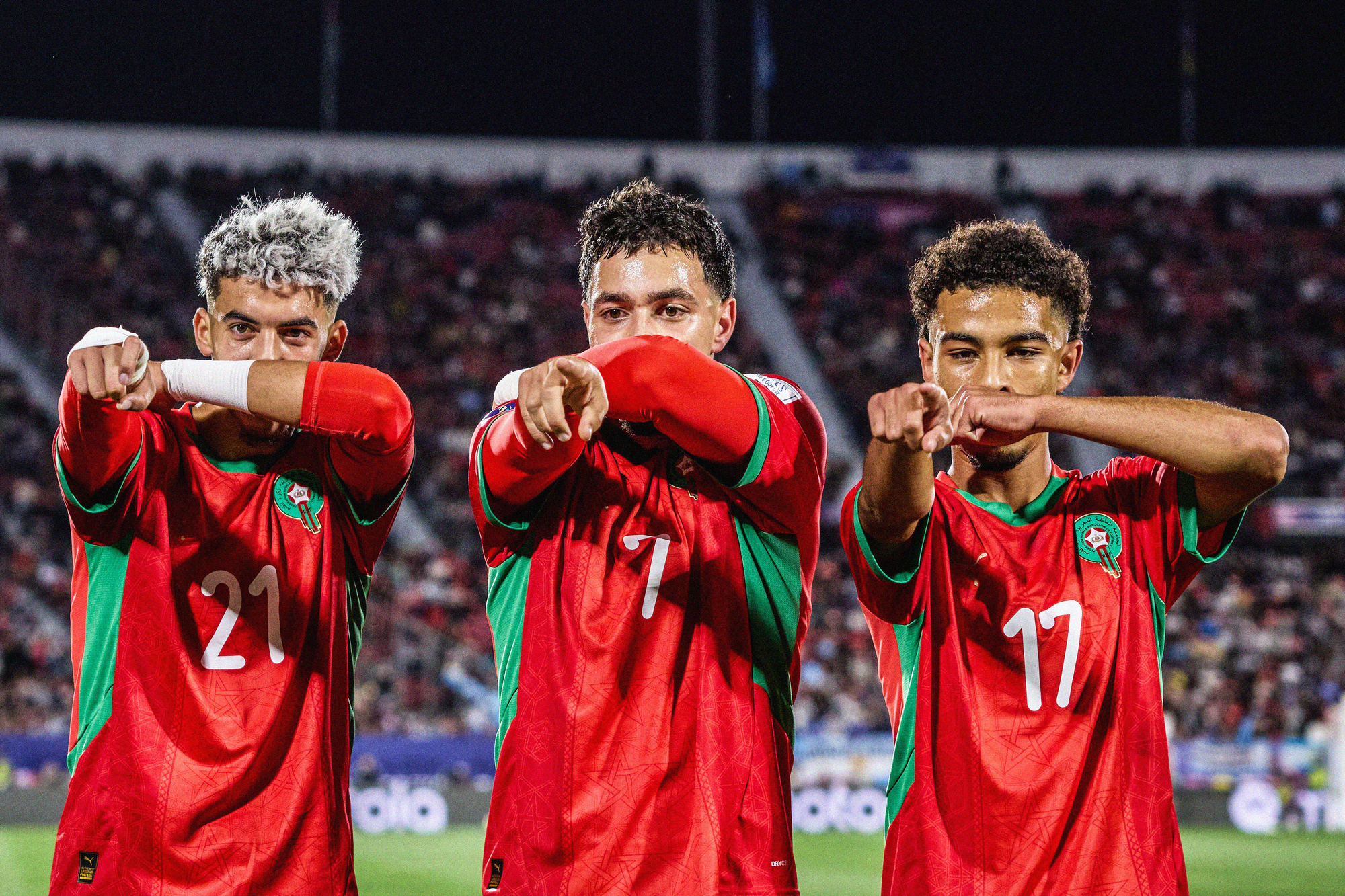
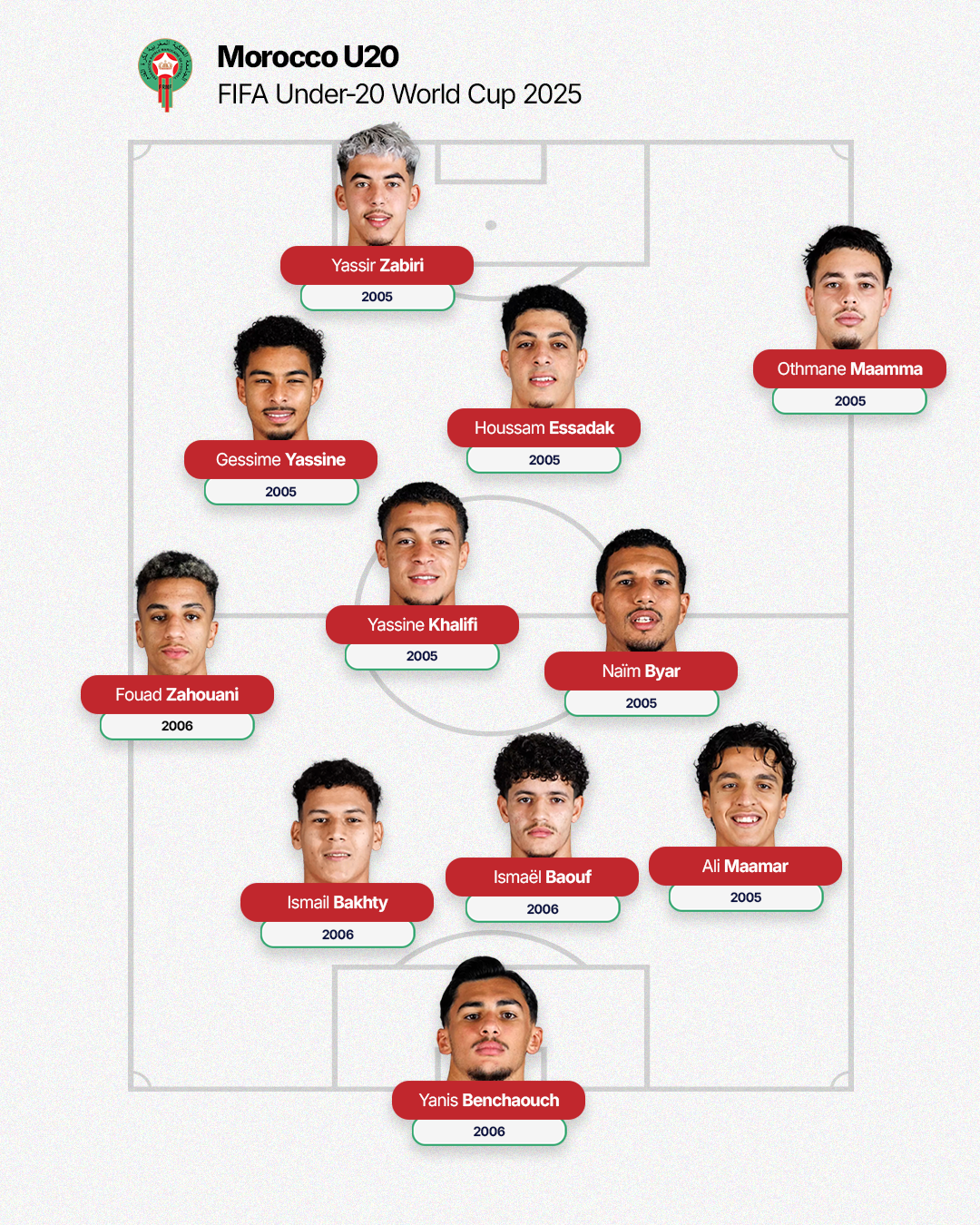
The first 'tent' housed the goalkeepers. Morocco used all three called up to the initial squad. Yanis Benchaouch of AS Monaco was first-choice, starting five matches. Olympique de Marseille's Ibrahim Gomis stepped in for the third group stage game before replacing Benchaouch in the semi-final against France in the 64th minute. In the final minute of extra-time, Gomis himself was replaced by AS FAR's Hakim Mesbahi ahead of the victorious shootout. The inclusion of a penalty-shootout expert and, more importantly, the commitment to using him as such despite already making a goalkeeper switch, is the first example of Morocco building a squad for this tournament with complete clarity. Every base was covered.
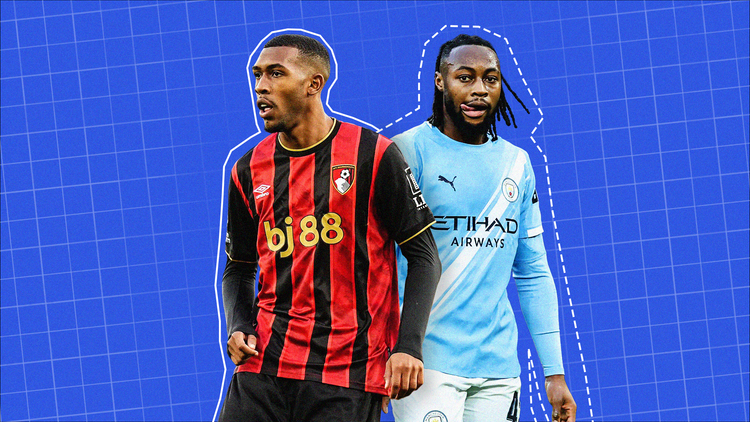
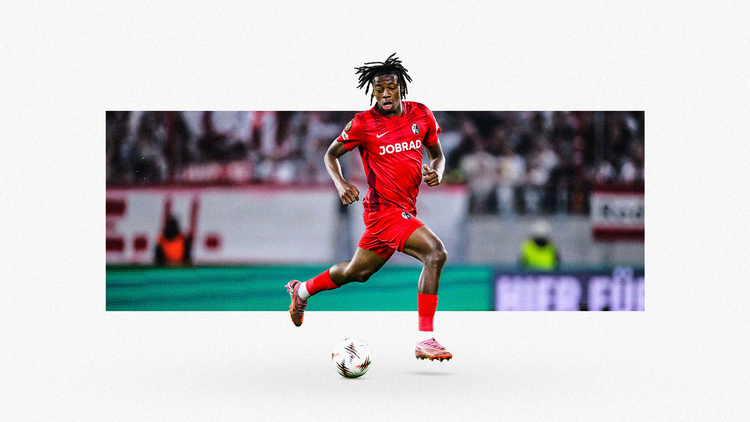
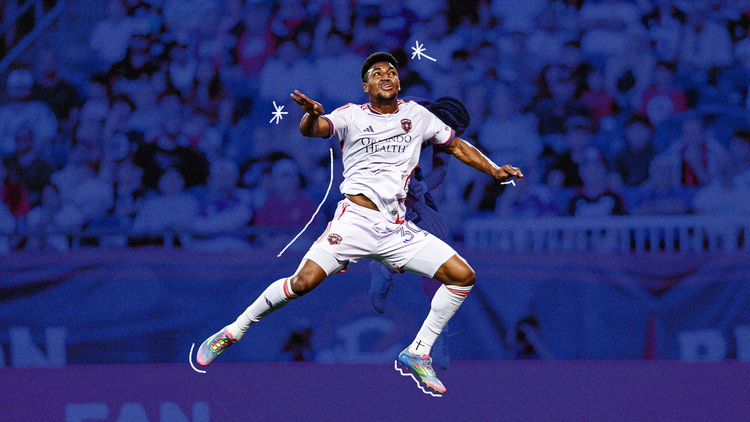
The same balance was apparent in the first-choice front three. Spearheading the unit was Yassir Zabiri. Born in Marrakesh, the AMF graduate scored both goals in the final - one of which was a stunning free-kick - and was Player of the Match. He won the Silver Ball and finished as the tournament's joint-top scorer with five goals, plus played a key role in three own goals that went in Morocco's favour during the tournament. Zabiri oozed quality, demonstrated by his willingness to dribble past players and consistent use of both feet, but matched his technique with tenacity. He was a genuine threat in behind, he could drop, secure possession and combine with teammates, and each performance was laced with competitive spirit and audacious flair. There was variety to his excellence, meaning he was able to develop distinctly different partnerships with each member of dynamic, French-born wing duo that flanked him.
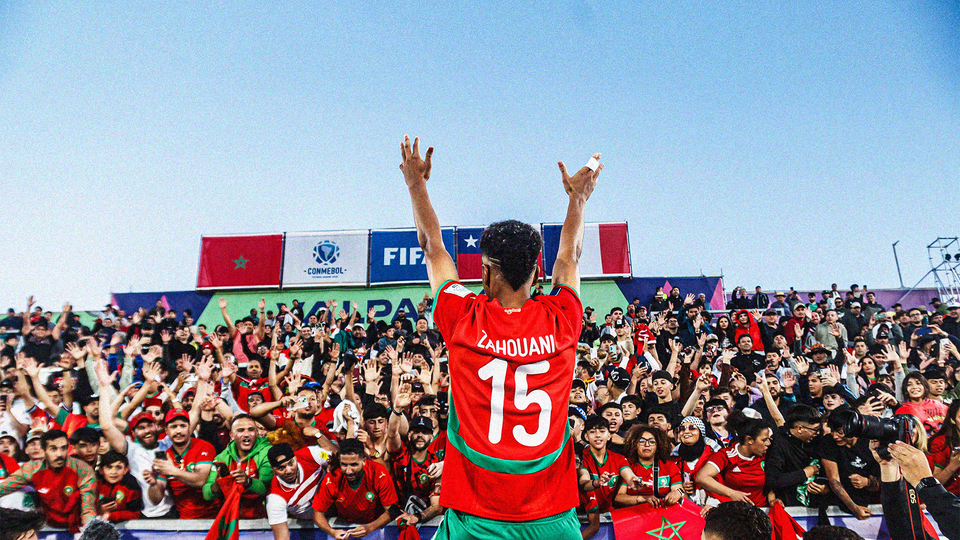
Gessime Yassine operated on his left. A buttery-smooth technician that has since moved to RC Strasbourg from Ligue 2 side USL Dunkerque, Yassine created opportunities in small spaces, often escaping pressure by embarrassing defenders who got too tight - he finished the tournament as the second-most fouled player. This Houdini gene is synonymous with Moroccan and North African players and was platformed expertly by Ouahbi and his coaching staff; their tactical plan tied Yassine into handcuffs they knew he could slip. Wide support on the left was provided by AMF graduate Fouad Zahouani, which pushed Yassine into more congested, central spaces to combine with Zabiri or his captain. Houssam Essadak, Morocco's attacking midfielder, provided counter movements to the teammates around him: if Zabiri dropped deep, Essadak filled the space in behind; if Yassine drifted centrally, he pulled wide; if there were issues in build-up, he would come to receive the ball. Essadak roamed the pitch, filling gaps necessary to maintain balance. It's hard not to see that blend of athleticism, game intelligence and technique as a direct result of AMF alchemy.
The Yassine-Zabiri-Essadak triangle in central zones and the left half-spaces was designed to create chasms of open grass for their other winger to wreak havoc. If Yassine was a ballerina, Othmane Maamma was a bulldozer. The primary transition threat, direct dribbling powered by explosive bursts of speed made Maamma a two-footed weapon of mass destruction, especially on the break. The trail of devastation left in his wake in Chile led straight to the Golden Ball; he was the only player at the tournament better than Zabiri. And just as the left-back role was designed to platform Yassine's skillset, the right-back did the same for Maamma.
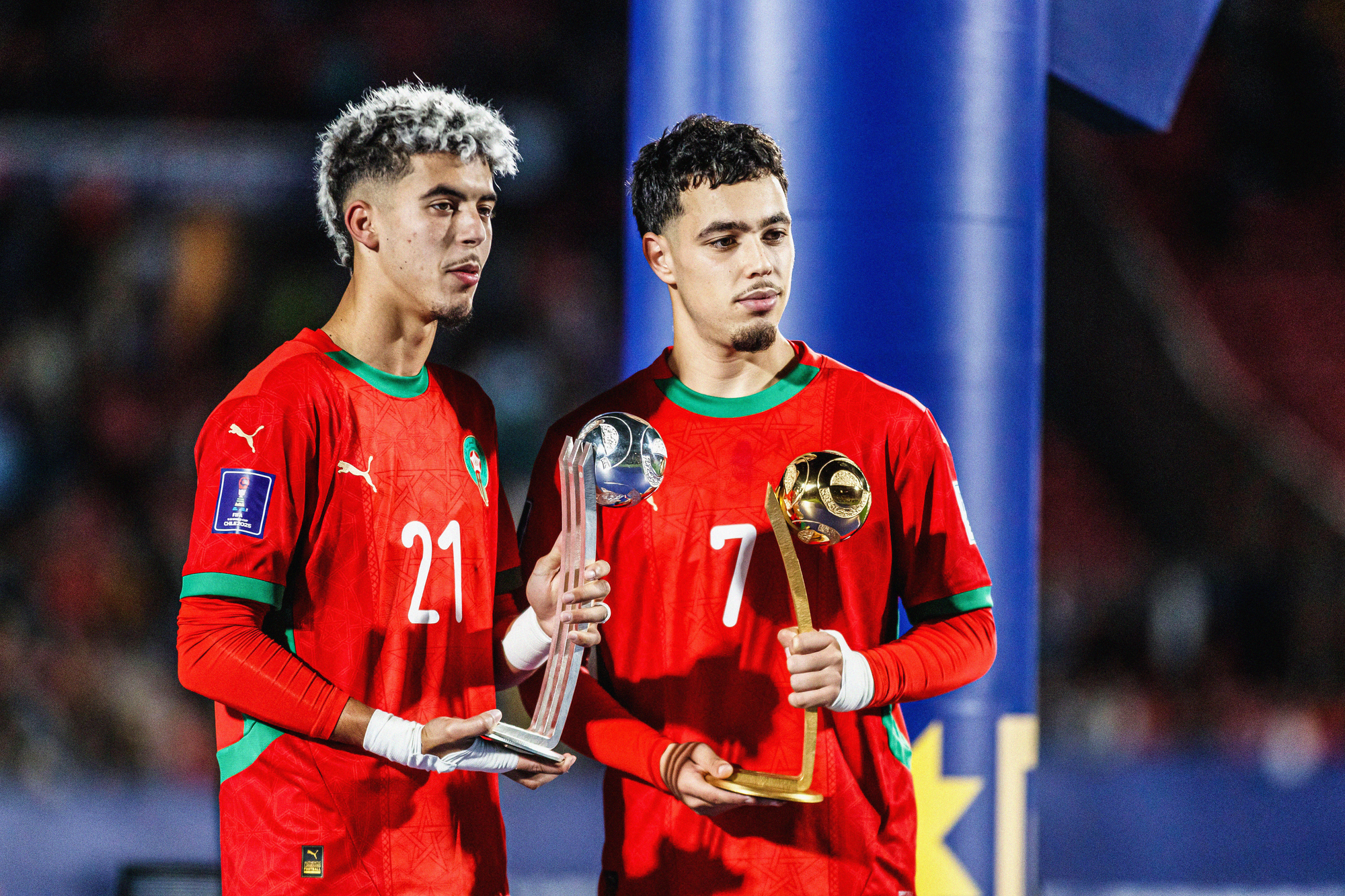
Belgian-born Ali Maamar was conservative in his positioning as to isolate his near-namesake in as much space as possible ahead of him. On occasion, that meant he was left isolated, but his proficiency 1-vs-1 gave the team confidence to leave him. Maamar finished the tournament as the most prolific tackler; his firefighting proficiency platformed Maamma to scorch earth in the opposition half.
In midfield, Essadak was supported by another contrasting duo. The incessant vertical running of AMF graduate Yassine Khalifi and complemented by horizontal coverage of Naïm Byar; the latter was another product of Morocco's vastly improved diaspora scouting. Byar was born in France and even started on the right wing for a triumphant Les Bleuets in the 2022 UEFA U-17 EURO final against the Netherlands (a team captained by Mathys Tel and featuring Désiré Doué and Warren Zaïre-Emery). For Morocco's world champions, Byar operated on the right of the midfield pivot and displayed the hallmarks of a veteran screening midfielder. He demonstrated remarkable athleticism to cover space behind the full-backs when needed, shuttling across the pitch to make challenges. But his education as a winger was evident in his ability to resist and absorb pressure. Lacking the explosive burst to be a game-changing wide player, Ouahbi's recognition of Byar's potential as a deep-lying Defuser is a reflection of his experience in developing talent; one of many reasons Lekjaa was desperate to appoint him. Byar has since returned to Morocco at club level, joining Wydad AC - the most successful team in the top-flight's history - from Bologna in January 2026. Moroccan clubs are now a destination for Moroccan talent, reflective of both the diaspora's renewed ties to the country and the increasing quality of the league.
Even the centre-back partnership represented a microcosm of AMF's identity. Ismaël Baouf, Belgian-born and now playing in the Dutch Eerste Divisie, represented the country of his birth from U-16 to U-19 level before switching to Morocco in 2024. Morocco work hard to convince players to represent the Atlas Lions, but they never make an ultimatum: they want a sincere desire to represent Morocco to unify every squad. In Chile, Baouf was the proactive Spear - contesting and winning duels at a much greater rate - to the conservative Shield of Ismail Bakhty. A homegrown centre-back that spent three years at CA Marrakech before joining Rabat giants AS FAR, Bakhty's proclivity for last-ditch tackles and heroic blocks punctuated the Atlas Cub's triumph. The Baouf-Bakhty partnership was complementary on the pitch and represents the unity of homegrown and diaspora talent as well as the prerequisite that one improves the standard of the other.
The triumphant Under-20 World Cup squad was built on the values promoted by Mohammed VI Football Academy and the tactics were designed to celebrate the strengths of each individual. Those concepts are relatively simple, but their clarity and successful execution was an indicator of a football institution at the top of its game. To capture this in a single stat: at the U-20 World Cup, both of Morocco's French-born wingers ranked in the top three for successful dribbles and the top five for tackles made; individual brilliance, committed to a unified cause. On return from Chile, the victorious U-20 side were named African National Team of the Year at the annual CAF Awards, the first time a youth team had ever been so.
Morocco's success has not been constrained to the men's game. In both 2022 and 2024, the Atlas Lionesses hosted and finished runners-up at the Women's Africa Cup of Nations. In 2026, they will host the tournament for the third successive edition and will be favourites to lift the trophy for the first time. A Moroccan won the following awards at the most recent annual CAF event: Women's Player of the Year (Ghizlane Chebbak), Youth Women's Player of the Year (Doha El Madani), Women's Inter-Club Player of the Year (Sanaâ Mssoudy), Women's Coach of the Year (Lamia Boumehdi) and Women's Club of the Year (AS FAR). Association Sportive des Forces Armees Royales is the nation's military club and made history at the start of 2026 by becoming the first African women's team to face a European side in a competitive fixture when they played Arsenal in the inaugural Women's Champions Cup.
This remarkable transformation has happened within an even shorter period than the men's. In 2019, another facility adorned with the king's name was built in Rabat: the King Mohammed VI Training Complex. A 15-minute drive from the AMF, this complex became home to Morocco's international teams at senior and junior level across men's and women's football, with eight full-size pitches, several futsal and beach pitches, gym and medical facilities, an Olympic-sized swimming pool, classrooms and a five-star hotel. Costing nearly €60 million, it dwarfs the Academy that started this process 10 years prior.
In 2020, the FRMF launched a four-year plan to transform women's football in Morocco. The target was 90,000 women playing by 2024 and 10,000 training in the technical skills to coach. As it had in 2011 with the Botola Pro, a deal was signed with the existing National Women's Football League (LNFF) to make the competition professional. Top-flight and second-tier teams would receive monthly funding from the FRMF to assist with salaries for players and staff; as a result, it is now mandatory for Botola Pro clubs to create women's teams. In 2021, the African Women's Champions League further incentivised Moroccan clubs to commit to developing their women's teams in the same way as the men's. AS FAR earned their historic meeting with Arsenal by winning the competition for a second time in 2025, which came with a prize fund of $600,000. This set them up to compete for the €1.9 million awarded to the winners of the first-ever Women's Champions Cup, the highest single payout ever awarded in women’s club football.
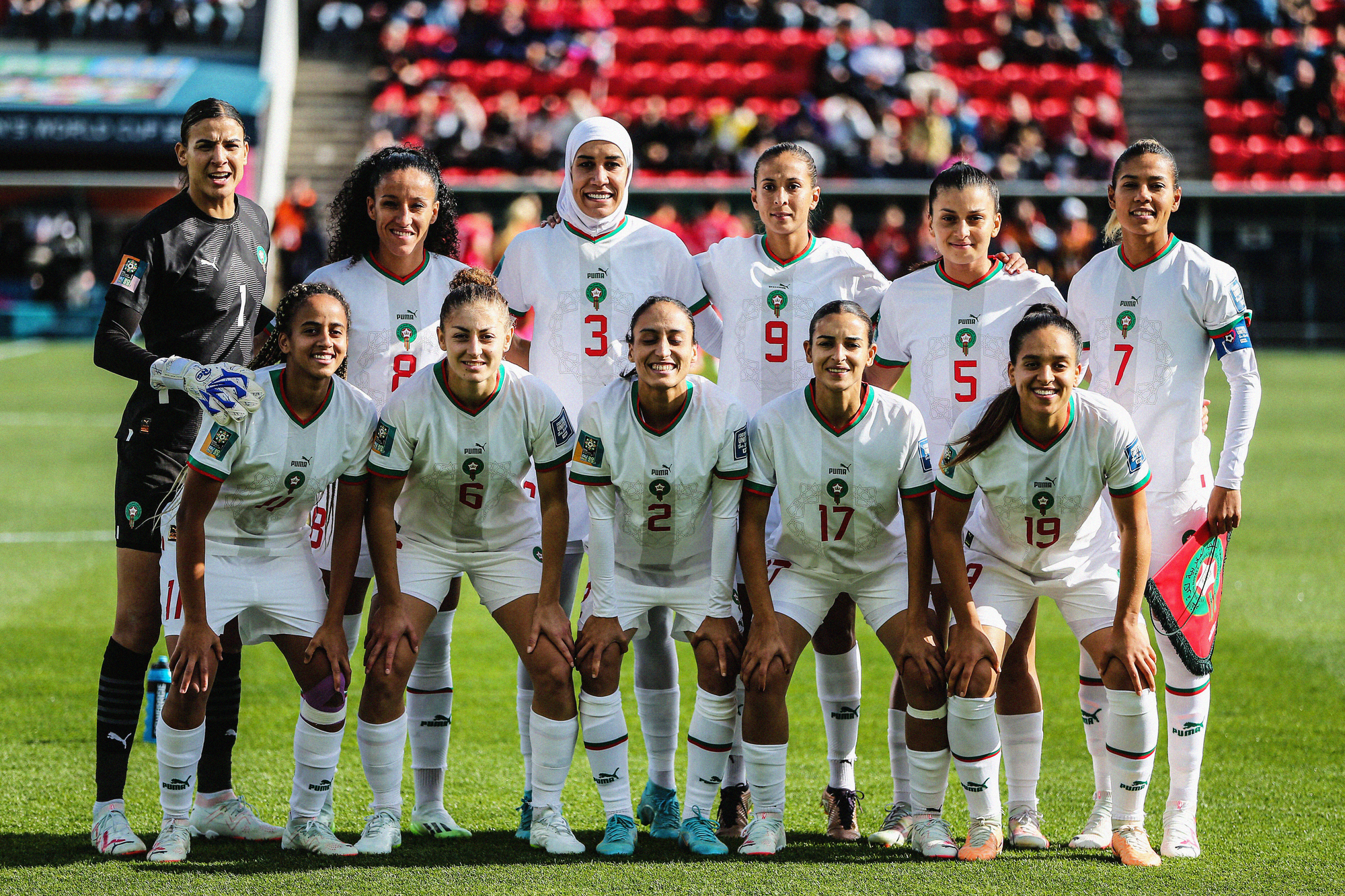
The newfound professionalism and processes in the men's national team have been applied to the women's game. In 2023, between the Africa Cup of Nations finals, the Atlas Lionesses qualified for their first-ever FIFA Women's World Cup. They were Arab country to ever do so, and reached the knockout stages at the first time of asking.
Reflections
In 2010, England were thrashed 4-1 by Germany at the World Cup. In response to that defeat and a prolonged sense the nation's development pathways were anachronistic and rotted, the FA instigated a top-to-bottom, multi-year reform.
At the heart of that reform was St George's Park, a physical symbol of the project. In 2017, five years after the complex opened, an unprecedented period of global domination began: England won the U-20 World Cup for the first time ever, the U-17 World Cup for the first time ever and the U-19 EURO for the first time since 1993. The success snowballed its way up to the men's senior side. They reached more major international tournament finals (two) under Gareth Southgate than under every other England manager combined (one). The Lionesses were the crown jewel, and became the first England senior team to win a tournament on foreign soil as they secured back-to-back European Championships.
Perhaps there was once an assumption this level of reform, if not revolution, was exclusive to the European elite. The Atlas Lions have disabused that notion. That Morocco and England's revivals seem superficially similar is no coincidence: they have both reflected an understanding of fundamentals that could, and should, travel further. Nassar Larguet is now heading the development of football in Saudi Arabia, backed heavily again by state interest; but the ideas he embodied in Morocco could be as true at club level as they are the international.
Take Manchester United, as a case study. 'United DNA' has been discussed to the point of mockery but the idea is different only in name to the themes Morocco have pursued. A Sporting Director could use Morocco's approach to diaspora as a template for well-intentioned recruitment that focuses on identifying prospects rather than signing established stars. Swap the Mohammed VI Football Academy for Carrington's Trafford Training Centre and instil an approach built on the idea of only signing prospects brighter than your own. Treat the youth and women's teams as satellite structures, each micro-universes but working towards a unified idea; let that idea define each part of the whole.
The beauty and brilliance of what Morocco have achieved is in the unity of their individuals. Squads, academies, federations and nations are just collections of people, and each can be woven with a harmony of independent concepts and experiences. Morocco have created a unified football force that is becoming a continental superpower. Unity in diversity: all ages, genders and cultures; Arabness, Africanness, and Amazighity; Moroccans in Morocco and beyond; each a tent circling a central feature; each swaying like a skyscraper in the wind.
Denouement
"We have missed the chance of a lifetime," said Walid Regradui, in the ruins of his AFCON campaign. No wonder: a 20-year wait for a place at the World Cup; a 22-year wait for an Africa Cup of Nations final; Morocco's recent history has been defined in large part by waiting.
Waiting, and building. The Atlas Lions ended 2025 ranked 11th in the FIFA World Rankings, their highest-ever year-end rank. A day after the Africa Cup of Nations final defeat to Senegal, they secured a single digit ranking for the first time in their history: Morocco became the 8th best team in men's international football. That is the highest-ever ranking for an Arab nation; Nigeria (5th in April 1994) are the only African nation to ever better it.
All this success has been built on the ethereal but immensely powerful cultural identity the Moroccan state has borrowed from its indigenous past. And this itself is a strange, dislocating phenomenon, to know that douars have confounded colonies and conquerors for generations, and yet are now the thematic heart of a state-funded regeneration of football; to know that the rich, glass-walled douar at the centre of Morocco's football miracle still stands, unblemished and shining, as the structures that inspired it are left to rebuild themselves in the wreckage of disaster. But that, in many ways, is a perfect microcosm of football's cultural position worldwide, and is beyond the scope of this essay.
On the pitch, the heartbreak is sharp but the chance for redemption will come soon, both for the nation and, perhaps, for Brahim Diaz. This summer, Morocco will play at a World Cup. Next summer, there is another Africa Cup of Nations and in 2028, another. Then, in 2030, Morocco will be hosts again; they will welcome the entire world.
Reflecting on the FIFA Under-20 World Cup triumph, Moroccan football pundit Jalal Bounouar declared: "The country believes that Moroccan football has entered the golden era.” This time, it's almost certain to last.

Member discussion